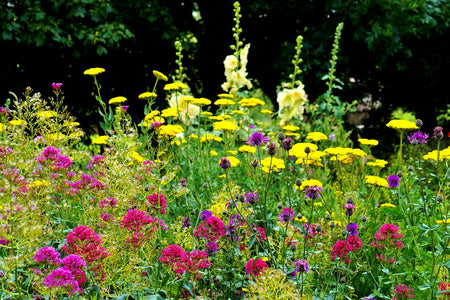
The foundation of a thriving annual wildflower meadow lies in the approach to site preparation and sowing. By prioritising these early stages, you set the conditions for establishing a vibrant, low-maintenance annual meadow that provides biodiverse, long-lasting displays throughout the season.

When
Sow when the soil is dry during spring between March to the end of May/early June (depending on weather conditions that year), just as the soil is warming up. Autumn sowing is possible for an early flowering display but may result in the loss of some, or all, of the display in a severe winter.
Where
Any open, sunny location which gets at least a couple of hours of full sunshine, but try and find the sunniest spot for the best results. A shady position will result in patchy growth and poor flowering.

Weeds
It is important to sow onto a very clean and dry seed bed. Ensure all visible weeds, especially grass, are removed. Do not sow into existing grass or other vegetation as this will lead to failure.
Soil preparation
When it’s dry, prepare to sow in normal, free-draining soils. Once weeds have been removed, shallowly cultivate the ground to form a nice level seedbed that has a fine, crumbly texture.

Sowing rate
Pictorial Meadows® annual seeds should be sown at a rate of 3g per square metre. Most sites can be sown quite successfully and quickly by hand, but you can also contact us for our machine meadow sowing services for larger areas or wherever you feel you need some specialist help.
How to sow
We always recommend sowing by hand in dry weather as this gives the best results. Mix your annual seeds thoroughly with an inert carrier material such as builders’ sand, with an approximate rate of five-parts sand to one-part seeds, but a minimum overall quantity to broadcast over the whole area. The sand will help carry the annual seeds over the seed bed and enable you to see the sown area. Sow the seed/sand mix evenly over the whole area twice by scattering first in one direction and then again in another direction.

Rolling and watering
After the seed/sand mix is sown onto the surface, you should then firm the annual seeds onto the soil surface by using a garden roller or even walking over it. This will benefit germination and can only be done in dry weather when the seed and soil will not stick when rolling. If rolling is not possible, then the annual seeds can be watered into the soil with a sprinkler. If rain is forecast that day, you can allow nature to do the work. Normally, annual seeds will not require any form of watering in the UK, but if drought conditions are experienced, then watering will be required.
Growth
You can expect to see the first signs of germination in 7-10 days. Growth can be very rapid after this, and flowers may start appearing as early as six weeks after sowing.

Taking a planned, methodical approach to soil preparation and sowing creates the foundations for a thriving annual wildflower meadow. For additional guidance or support for larger sites, our team is on hand to provide the expert support needed.
Read our Annual Meadows Advice and FAQs for more information
Expert Advice
At Pictorial Meadows, we’re here to assist you every step of the way. Visit our Meadows Advice Centre for tips and advice, get in touch with product queries or sign up to our newsletter to enjoy tips, news and offers.
Explore our products & ranges
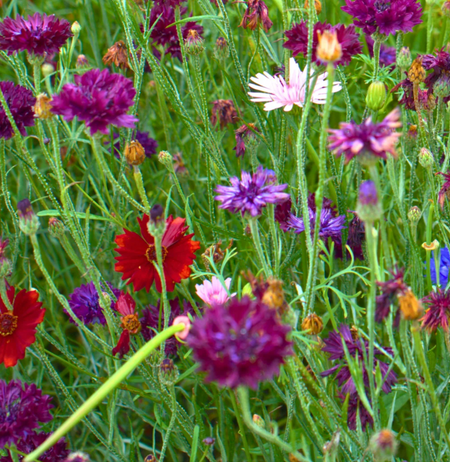
Annual Seed Mixes
The Vibrant Range
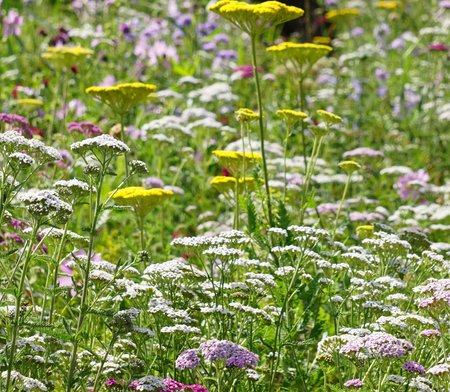
Perennials Seed Mixes
The Biodiversity Rich Range
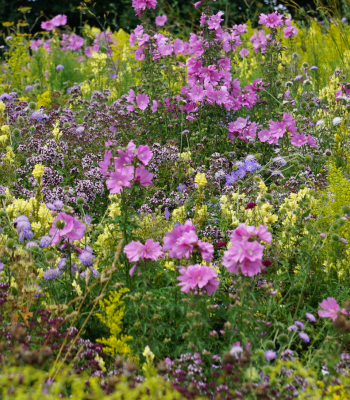
Meadow Turf
The Adaptive and Resilient Range
Gift Collections